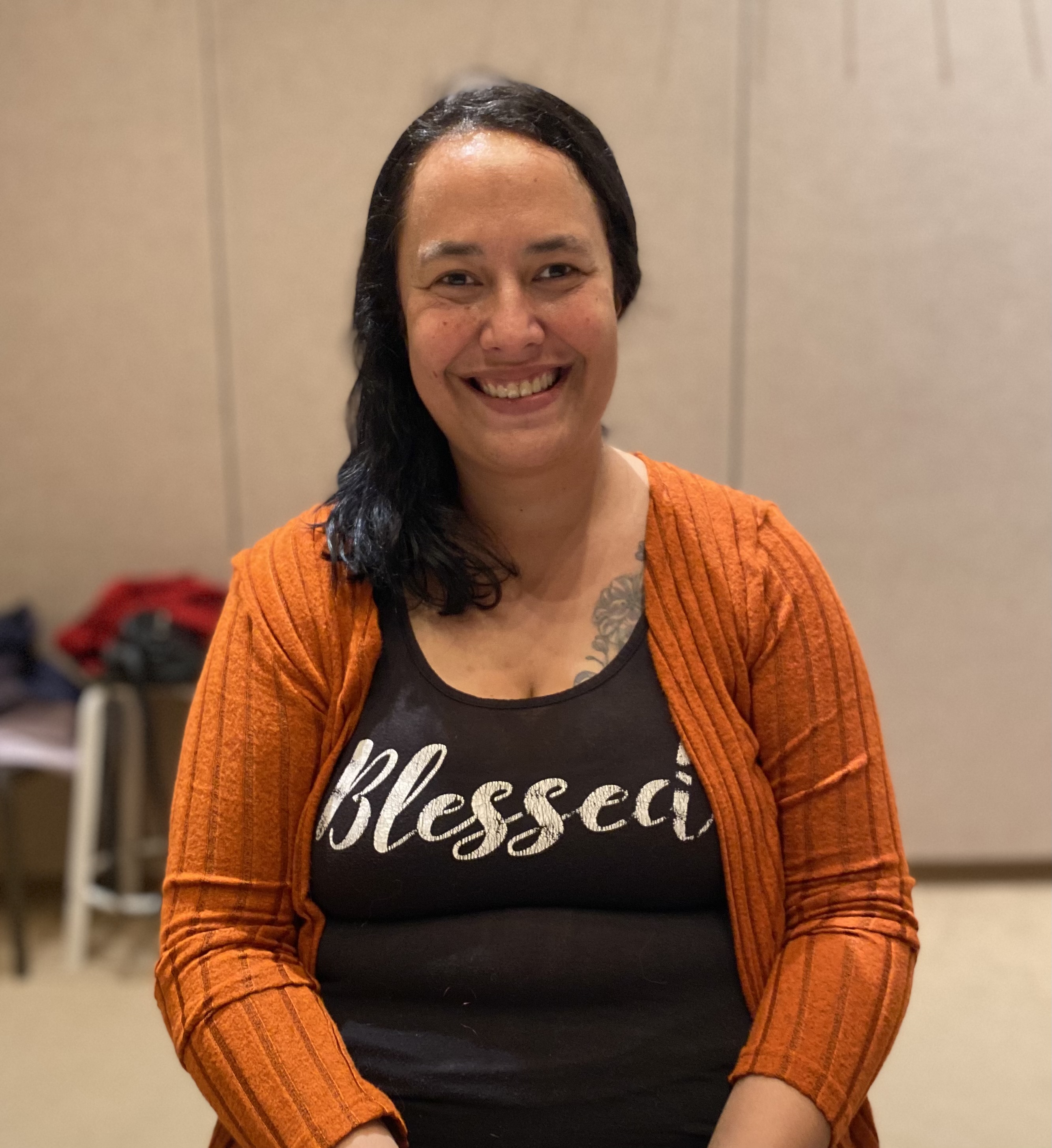
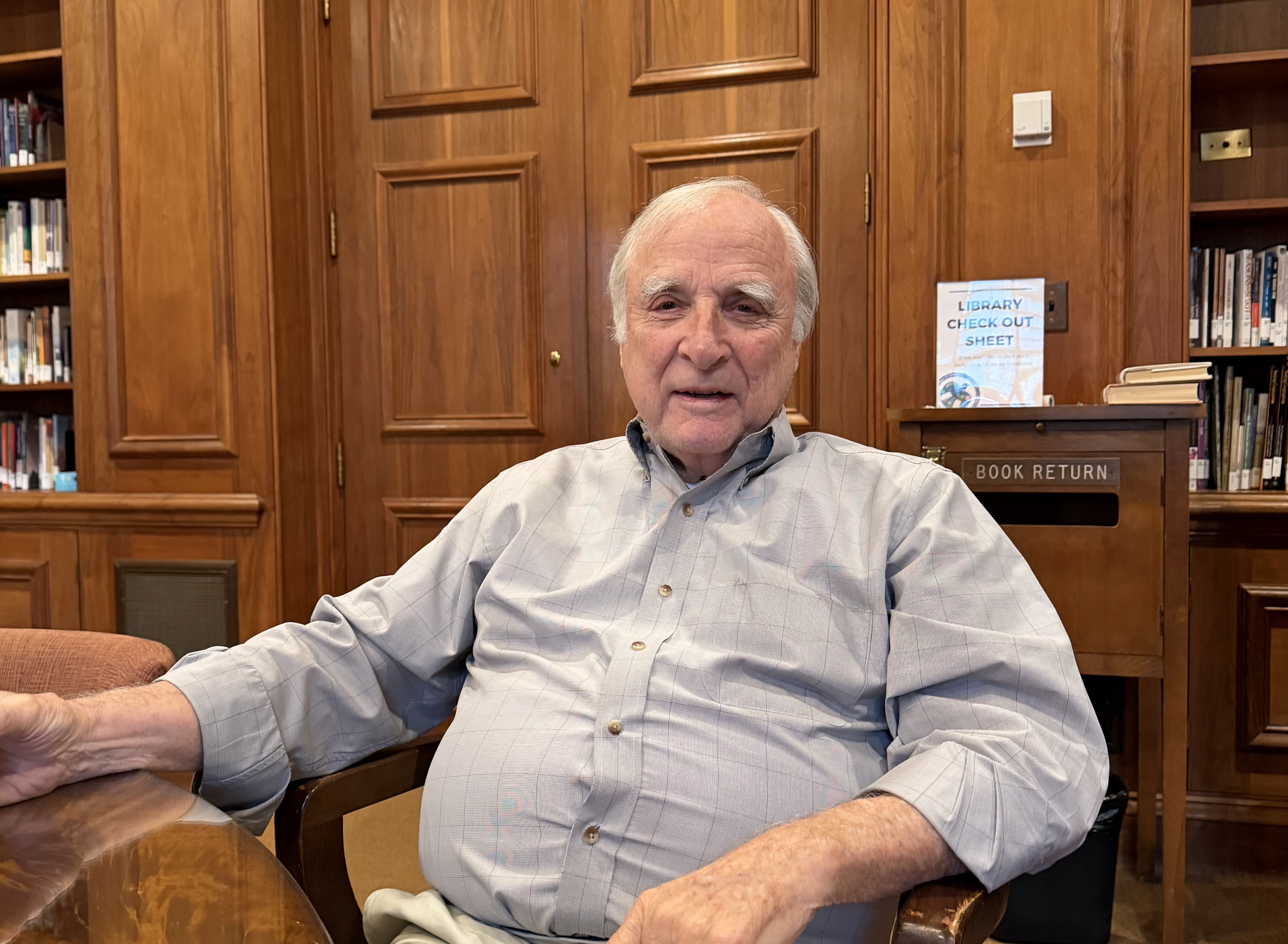
Lois Thetford, PA, was one of the first people I met when I moved to Seattle from Baltimore in late 1994. She worked at the 45th Street Clinic, a longstanding community health clinic that she helped start. At the time I met her, she was running their women’s clinic, and later on, I worked alongside her as a provider at their homeless youth clinic. And so much more. Homeless services advocacy, faculty preceptor for the student-run University District Street Medicine program, faculty member at the University of Washington’s MEDEX Program. Lois was warm, funny, compassionate, and gifted as a teacher and a healthcare provider. A mother, grandmother, quilter, tap dancer. I remember her tap dancing while singing “When I’m Sixty Four” at the end of a youth clinic staff meeting on her sixty-fourth birthday. She died a few days ago and will be sorely missed by her family, friends, former patients, advocates, and community members.
Some years back, I interviewed Lois about her amazing work. You can listen to the interview here.
And here are photos I have of Lois over the years.
Lois Thetford, PA, at the Jack Straw Cultural Center in 2016.Staff of the 45th Street Homeless Youth Clinic, circa 2004. Lois Thetford in pink shirt, back row to the right.
Of all the oral history interviews I’ve done with people over the years, my conversation back in November 2017 with Liz Rambus best highlights what community health nursing can be, what the work can do to make a difference in the lives of people marginalized by poverty and racism. In this interview, Liz talks about her personal path into community health nursing and her work as a community health nurse with the Seattle Indian Health Board. She stayed in that job for many years and became a highly valued member of the health and social care team. (Her community health nursing position is open in case you know good nurses interested in applying.) Liz speaks of the importance of access to basic health care, respite care, permanent supportive housing, harm reduction services, empathy and community-building efforts. “We need a lot more education for people to learn to live together in this community and stop pushing aside the most vulnerable.”
It’s heartbreaking (and infuriating) to me now to re-listen to her interview and what she says about the positive effects of ACA (“Obamacare”) in expanding healthcare access for the Indigenous patients she cared for. Washington State was an early adopter of the Medicaid expansion made possible by the ACA. Those gains in healthcare access are being erased by the current Trump administration. Taking away people’s access to healthcare (affordability and enhanced program expansion to health-promoting resources like supportive housing) certainly does not make America healthy again. These rollbacks of Medicaid across our country disproportionately affect the most vulnerable people in our society. It also affects working-class families.
Sharing my author interview for the SUNY Brockport Writers Forum, May 1, 2025. Interviewers/hosts were Professor (English) Austin Busch and Kathleen Peterson, Professor and Dean of the Department of Nursing. Great questions about the ethics of writing ‘about’ patients, especially about people experiencing homelessness and other traumas. Also, why do the humanities matter for nursing? And why is nursing education stuck (too often) in rigid, unimaginative thinking? #SUNYBrockportwritersforum#homelessness#humanities
Dr. David Carlbom, MD at the Jack Straw Cultural Center, 2015, photo credit: Josephine Ensign
Dr. Carlbom is the Medical Director, Harborview Respiratory Care Department, and Associate Professor, Division of Pulmonary, Critical Care and Sleep Medicine. One of his mentors was the late Dr. Michael Copass at the Emergency Department, Harborview Medical Center. Dr. Carlbom spoke with me about his medical work. I was struck by the depth of his compassion and insight into not only emergency/intensive care for patients from all walks of life, but also teaching medical residents and paramedics. Please listen to his powerful stories.
Lois Thetford, PA. At Jack Straw Cultural Center, July 2, 2015. Photo credit: Josephine Ensign
Lois Thetford began her work on health inequities, anti-poverty, and health care for the homeless work in Seattle in 1970. I talked with her about her life and work in Seattle and learned a lot from our conversation, especially about safety net health care in our city and county. I had the privilege of working with her at what then was the 45th Street Clinic’s Homeless Youth Clinic (now part of the larger Neighborcare Health) two evenings a week. Lois and I both experienced how the clinic became, as she said, “much more of a corporate structure. It’s not as people-oriented; it’s much more numbers oriented.” That is a change that has happened across the country with community health centers (CHCs), so it is not unique to Seattle. I worked at several other Seattle-area CHCs during this time (late 1990s into the early 2000s), and they all underwent similar changes. Lois points out that it is important to not stay in a place that no longer supports the quality of patient care that aligns with what you believe in. I often say to go where you are wanted, needed, and supported. A hard lesson to learn (and relearn) over a long career in health care.
Lois highlighted the important role of Harborview Medical Center in our region’s healthcare safety net and how through federal research funding (now hobbled and stopped by President Trump/his administration) people at Harborview, the University of Washington, and Public Health–Seattle & King County developed world-class innovations in trauma-informed care, behavioral health treatment, motivational interviewing, and infectious disease treatment and control.
Of her decades of work providing quality health care to people, including youth and families, experiencing homelessness, Lois had this to say: “the thing that I love about patient care, and that I especially love about homeless care, is that you can make such a difference. You meet people when they are in a very bad place in their lives, and by treating them–what I think of as appropriately–which is respectfully, and hearing them out, letting them tell you who they are and what their needs are, you get to participate. You become a witness to their life journey, and that is an honor.”
Please listen to Lois’s stories and absorb and apply her wisdom.
Mary Pilgrim, July 22, 2015, Jack Straw Cultural Center. Photo by Josephine Ensign
Happy end of National Nurses Week with this year’s theme of “The Power of Nurses.” Last year, I highlighted some of the nurses I have interviewed for my Skid Road project. Today, I highlight an interview with a stalwart nurse, Mary Pilgrim, who ran Harborview Medical Center’s nurse clinic at the main homeless shelter at the Downtown Emergency Service Center in Pioneer Square, Seattle. When I interviewed her a the Jack Straw Cultural Center on July 22, 2015, Mary had been a nurse for 42 years and was nearing retirement. Listen to what she had to say about her work and perspective on homelessness in our city and country.
We’ve lost another great pillar of wisdom, strength, inspiration, and leadership. Nancy Amidei spent her life as a public servant, teacher, and social worker advocating for food, housing, and public health justice. From ‘saving brain cells’ through her work helping defeat Reagan’s attempt to make ketchup a vegetable in school lunches, through thousands of classes and workshops (and one book) on Advocacy 101, enticing young people to monthly meetings of the Partnership for Youth by bringing bags of chocolate (and bananas), organizing a ‘save public health’ Seattle group during the Great Recession–the only time I ever heard her tell us that she was pessimistic), to her wildly engaging and instructive ‘butter as votes’ story–oh how we admire and miss her.
I’ve already written about how and why Nancy motivated me to move across the country in 1994 to live and work in Seattle, a decision I’ve never regretted. I got to know and work with Nancy for over thirty years. I hope I have absorbed some of her passion, drive, and commitment to doing what’s right. I cannot remember why I took this photograph, but it is representative of the good feeling of having Nancy looking over my shoulder. Here is the podcast of my oral history interview with Nancy. We all have work to do…
Rep Frank Chopp, May 16, 2022. Photo credit: Josephine Ensign
“Where’s the greatest need?” Frank Chopp said he constantly asked himself during his lifetime as a health, housing, and social care advocate, first in direct services in Seattle and then as our longest-term Speaker of the House in Olympia. From starting some of Seattle’s earliest social housing programs, advocating for Apple Health for Kids, the Apple Health and Homes Initiative, behavioral health initiatives,Home and Hope, the Doorway Project, to new projects he was working on up until his death yesterday, Frank Chopp was a force of good in this world. As Frank said to me in my interview with him in 2022, “It’s the right thing to do.” I was fortunate to have worked with him on the Doorway Project and the Apple Health and Homes Project. I saw firsthand just how masterful Frank was at working across differences to help make policies and programs that “help the unfortunate,” that help build healthy, thriving communities for us all. We need more people, more politicians, more true public servants like him. Frank, you are sorely missed.
“What is going on in our society, and what ways can we change what’s happening?” Lois Thetford asked this in 1970 when she moved to Seattle and worked on grassroots community organizing–something she continues to do in her 80s. Questions that are as pertinent and urgent today as they were then.
I’ve had the pleasure of working with Lois since 1995 when I met her when I began working at what was then the independent 45th Street Clinic in Seattle. She is a mentor and an inspiration. We can all use positive change agents in our lives and in our communities. Listen to her story and her perspectives and be thankful there are people like her in our country.
Back to basics. Back to what we know works. That is my main takeaway from my interview with social worker Charlotte Tucker Sanders. I’ve had the privilege to work with her, first at Neighborcare’s 45th Street Homeless Youth Clinic and then when I led the UW’s Doorway Project. She said, “I feel like if we were to really think about this world which seems to be driven by money, and the costs and benefits. And if we were to really look at our system and not have it based on that (…) That if we keep people healthy, in the long run, we wouldn’t be spending so much money on other issues related to unhealthy people. If we were to feed people, if we were to give people their basic needs, if we made sure that everyone had enough to live on, we probably wouldn’t be so consumed with issues of violence, issues of homelessness (…) So I guess that would be my dream, that we would eventually recognize that meeting basic human needs, basic needs, would be good for everyone.”